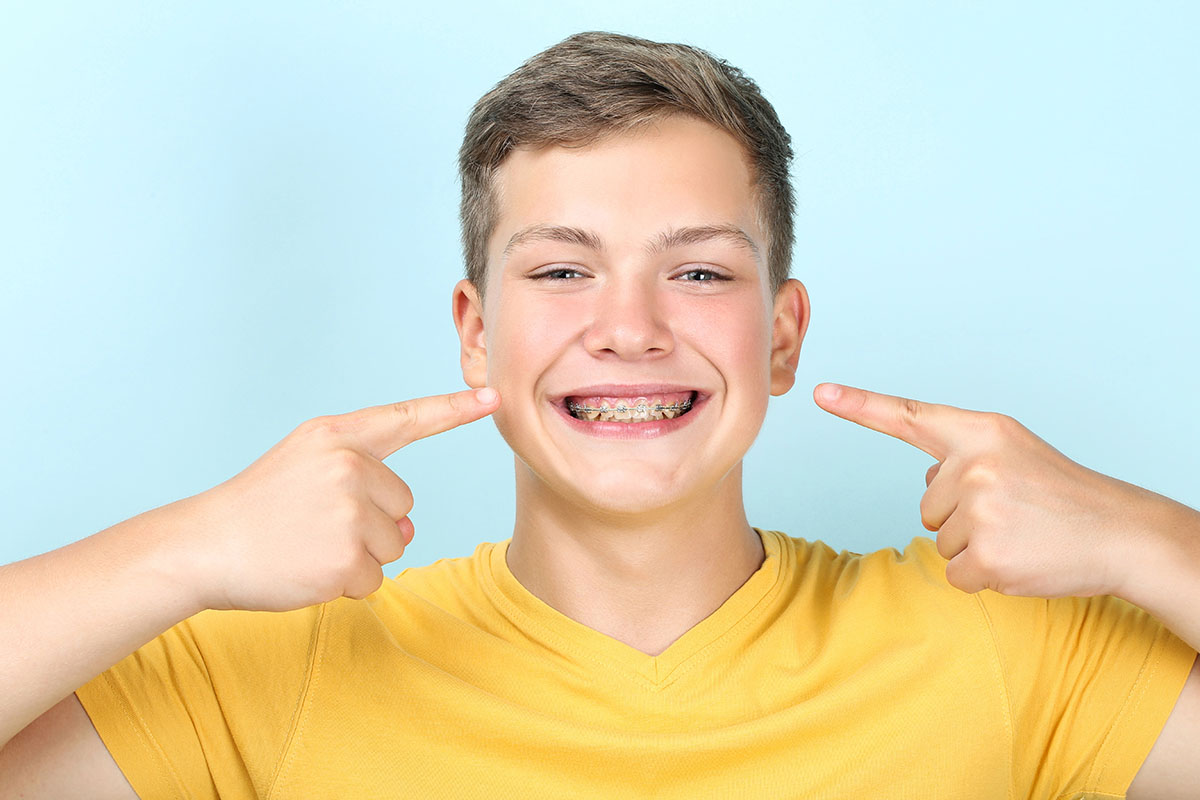
You want your kid to have a great smile. That’s a given. But figuring out when to start thinking about braces or invisalign in San Marcos, and whether they even need them, isn’t always obvious.
Orthodontic treatment goes beyond straight teeth. Proper alignment affects how your child chews, how easy their teeth are to clean, and how their jaw develops over time. Getting checked at a trusted San Marcos dental office means you’ll know when to act and be in a better position to make the right call.
The Most Important Milestone: The First Orthodontic Evaluation
Most people think braces are a teenager thing. But the American Association of Orthodontists recommends every child get their first orthodontic evaluation by age seven.
That surprises a lot of parents. At seven, kids have a mix of baby teeth and permanent teeth. Nobody’s putting braces on a seven-year-old, but this is a screening visit. A dentist or orthodontist can spot problems with jaw growth and incoming teeth while baby teeth are still in place.
An early evaluation lets a professional:
- Assess how the upper and lower jaws fit together.
- Check for potential crowding as permanent teeth come in.
- Identify crossbites, underbites, or severe overbites.
- Monitor the effects of habits like thumb-sucking or tongue-thrusting.
For most kids, the result is simple: “Let’s keep an eye on it.” The dentist gets a baseline and tracks growth from there. For a smaller group, the visit might lead to a recommendation for early treatment.
Early Treatment: Fixing Problems Before They Get Worse
Sometimes an evaluation turns up a problem that’s better dealt with sooner than later. This is called Phase I, or interceptive, orthodontic treatment. It happens while your child still has many baby teeth, usually between ages 7 and 10.
Phase I isn’t for every kid. It’s reserved for specific issues that would become harder to correct if left alone. The goal is making room for permanent teeth or guiding jaw growth while it’s still possible.
Common reasons for Phase I treatment include:
- Correcting a crossbite so the jaw can grow more evenly.
- Managing severe crowding to help permanent teeth come in properly.
- Addressing a significant underbite or overbite.
This phase is usually short and might involve a palate expander or a partial set of braces. Afterward, there’s typically a break before a second phase once most permanent teeth are in.
The “Traditional” Time: Orthodontics in the Teen Years
For most kids, the best time for full orthodontic treatment is between ages 11 and 14. By then, most or all permanent teeth have come in, and the jaw is still growing, which makes it more responsive to treatment.
This is when you’ll typically choose between two solid options:
1. Traditional Braces:
Metal or ceramic brackets glued to the teeth, connected by a wire. Braces work for nearly every orthodontic issue, from simple crowding to the most complex bite corrections. Today’s braces are smaller and more comfortable than what you probably remember.
2. Invisalign (or Invisalign Teen):
A series of clear, custom-made plastic aligners that gradually shift teeth into place. They’re removable, which makes eating, brushing, and flossing much easier. It’s a less visible option, but it requires real discipline: aligners need to be worn 20-22 hours a day to work.
Supporting Your Child During Treatment
Your involvement matters more than you might think.
- Encourage consistent brushing and flossing.
- Keep up with regular adjustment appointments.
- If they’re using Invisalign, check that they’re actually wearing the aligners.
- Be patient with them during the adjustment period.
Some soreness after adjustments is normal, but it usually fades within a few days. Stay in touch with your dental provider if something feels off.
FAQs
What is the best age for braces or Invisalign?
Most children start orthodontic treatment between ages 11 and 14, once most permanent teeth have come in. That said, an initial evaluation by age 7 can catch problems early.
How do I know if my child needs braces?
Look for crowded teeth, bite issues, difficulty chewing, or baby teeth that fell out too early or too late. A professional evaluation will give you a clear answer.
Is Invisalign as effective as braces for kids?
For mild to moderate alignment issues, yes. More complex cases may do better with traditional braces. It depends on the specific situation and whether your child will actually wear the aligners consistently.
Does orthodontic treatment hurt?
There’s usually some mild discomfort after adjustments or when starting a new aligner tray. It typically lasts a few days and can be handled with over-the-counter pain relief.
Will insurance cover braces or Invisalign?
Many dental insurance plans include orthodontic benefits for children, but coverage varies. Check your plan details and talk to your provider about payment options.
What are the signs my child might need orthodontic treatment?
Beyond visibly crooked teeth, watch for: early or late loss of baby teeth, difficulty chewing or biting, mouth breathing, jaws that shift or click, crowded or misplaced teeth, and teeth that don’t meet properly when biting down.
Does my child have to see a specialist (an orthodontist)?
Not necessarily. While orthodontists specialize in tooth and jaw alignment, many general dentists have extensive orthodontic training and offer braces and Invisalign. Your family dentist is a good starting point. They can do the initial evaluation and decide whether your child’s case can be handled in-office or needs a specialist referral.
Is orthodontic treatment just cosmetic?
No. A straight smile is a nice bonus, but the real goals are health and function. A proper bite reduces stress on the jaw joints, and straight teeth are much easier to keep clean, which lowers the risk of cavities and gum disease down the road. Think of it as a long-term investment in your child’s overall health.
Will my child’s teeth straighten out on their own as they grow?
This almost never happens. Orthodontic problems, especially crowding, tend to get worse over time. The jaw doesn’t keep growing to make extra room as kids get older.
Take the First Step with an Evaluation
Getting your child evaluated early, around age seven, gives you a clear picture of what’s ahead. No guessing. Whether the answer is “let’s wait and watch,” a short round of early treatment, or planning for braces or Invisalign during the teen years, you’ll know what you’re working with by consulting a San Marcos cosmetic dentist.
Every child’s teeth develop differently. A personalized evaluation helps you make decisions based on your kid’s actual situation, not general advice.