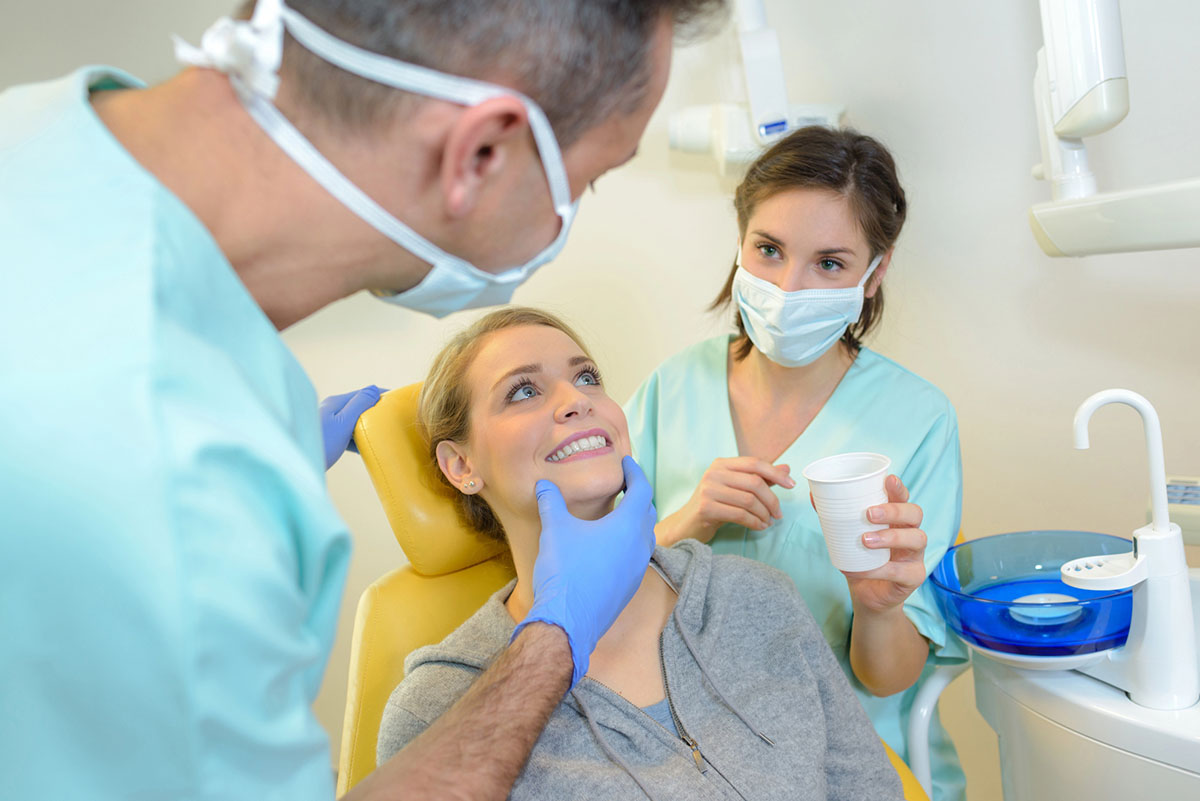
For a lot of people, one rough dental visit is enough to color how they feel about the dentist for years. Maybe it was pain during a procedure, feeling rushed out the door, confusing explanations, or results that didn’t match what you were promised. Whatever happened, it’s common for a bad experience to make patients put off or skip future care entirely.
If you’ve ever left a dental office feeling ignored or uncomfortable, you’re far from alone. The encouraging part is that dentistry has changed quite a bit. We believe San Marcos dental care should put a much bigger emphasis on comfort, clear communication, and your long-term oral health, not just checking boxes and moving to the next patient.
If you’re thinking about giving dentistry another shot, here’s what you should expect to be different.
The Foundation: A Patient-centered Philosophy
The biggest change in modern dentistry is the shift in mindset. It used to be a pretty one-sided dynamic. The dentist told you what you needed, did the work, and that was that. Not much room for questions or input. Now, the focus is on working together.
A patient-centered practice treats you as the most important person in the room. In practice, that looks like:
We listen first
Your visit starts with a conversation. What are your concerns? What happened in the past? What do you actually want for your smile? A good dentist takes time to understand where you’re coming from before picking up any instruments.
No judgment
Whether your last visit was six months ago or six years ago, you’ll be met with respect. Nobody is going to lecture you. The focus is on what comes next, not what’s already happened.
Treatment plans you help build
You won’t get a list of procedures handed to you without explanation. Using tools like intraoral cameras, the dentist can show you exactly what they’re seeing. They’ll walk through your options, explain the trade-offs, and work with you to pick a path that fits your health goals, your budget, and your comfort level.
Technology that Changes the Experience
A lot of dental anxiety comes from fear of pain and the sounds and sensations of traditional tools. Newer technology has directly addressed those concerns, making procedures faster, more precise, and a lot more comfortable.
- Digital X-rays and 3D imaging (CBCT): These provide detailed images with far less radiation than old film X-rays. For procedures like implants or cosmetic work, 3D imaging lets the dentist plan precisely, which means more predictable results and less guesswork.
- Intraoral cameras: A tiny camera on a wand lets you see what the dentist sees, right there on a monitor next to you. It takes the mystery out of the process and makes you part of the conversation about your diagnosis.
- Laser dentistry: For some procedures, lasers replace the drill entirely. They’re quieter, more precise, and work well for gum contouring and soft-tissue treatments with less bleeding and quicker recovery.
- Digital smile design: Thinking about cosmetic work? Digital design lets us create a virtual preview of what your new smile would look like. You see the projected result before any treatment starts, so you know what you’re signing up for.
Sedation and Anxiety Management
Sometimes, even a welcoming office and modern equipment can’t fully ease deep anxiety. That’s where sedation dentistry comes in. It’s a safe, effective way to help patients relax enough to get the care they need.
Common options include:
- Nitrous oxide: You might know it as “laughing gas.” You breathe it in through a small mask over your nose. It creates a relaxed feeling and wears off almost immediately once the mask comes off, so you can drive yourself home.
- Oral conscious sedation: You take a prescribed pill before your appointment. You stay awake and can respond to the dentist, but you’ll feel deeply relaxed. A lot of patients remember very little of the procedure afterward.
Sedation isn’t about being unconscious. It’s about keeping your body and mind calm so you’re not fighting through stress the entire time.
FAQs
I’m embarrassed about the condition of my teeth. Will I be judged?
No. A good dental team understands that life happens and that fear keeps people away. They’ve seen it all, and their only concern is helping you move forward. The conversation will focus entirely on building a plan for better oral health from here.
What is sedation dentistry like, and is it safe?
It’s very safe when provided by a trained professional. Before recommending sedation, the dentist will review your full medical history. During the procedure, your vital signs are monitored the entire time. Most patients describe feeling calm and comfortable. With oral sedation, a long appointment often feels like it was over in minutes.
I’m worried years of avoiding the dentist caused serious problems. Is it too late?
Almost never. Modern restorative and cosmetic dentistry can address everything from multiple cavities to missing teeth. Crowns, bridges, implants, and full-mouth rehabilitation are all options. A thorough plan can restore both function and appearance regardless of where you’re starting from.
Does all this technology make treatment more expensive?
New technology does require investment on the practice’s end, but it often saves patients money over time. The precision of 3D imaging, for example, reduces complications with implants, which means fewer follow-up procedures. More efficient treatments can also mean fewer appointments overall. A good practice will be upfront about costs and explain what you’re getting for your money.
What should I do if I had a bad dental experience in the past?
Start by being honest with a new dentist about what happened. Tell them specifically what made your previous experience negative. A professional team will listen and adjust how they work with you.
How can I reduce dental anxiety?
Look for a practice that offers sedation and makes patient comfort a priority. Clear communication, a calm environment, and staff who genuinely care about your experience all make a big difference.
Are modern dental procedures less painful?
In many cases, yes. Better techniques, improved anesthesia, digital tools, and minimally invasive approaches have all reduced both discomfort during procedures and recovery time afterward.
How do I know if a cosmetic dentist is right for me?
A bad dental experience doesn’t have to be the final word. Today’s practices put real weight behind communication, comfort, and lasting results.
When you feel heard and respected, going to a San Marcos dentist stops being something you dread and starts feeling more like a partnership. If you’re ready, schedule a consultation with Larry Molenda D.D.S. and just start the conversation. Our good team will be ready to help with routine services like teeth cleaning in San Marcos and more.