College brings milestones, from navigating academic schedules to managing personal health independently. For many college students, young adulthood coincides with the emergence of third molars, commonly known as wisdom teeth. Timing the evaluation and removal of these teeth requires strategic planning. Balancing academic commitments, breaks, and exam schedules with proper surgical recovery requires attention.
For Texas State University students and their parents, coordinating dental care in San Marcos offers a practical advantage. Managing wisdom teeth care locally allows students to complete evaluations, procedures, and follow-up visits without taking long trips home or interrupting their academic progress. Learning the physical development of wisdom teeth, recognizing symptoms, and choosing the right time for evaluation keeps the process moving smoothly.
Why Wisdom Teeth Require Careful Timing
Wisdom teeth typically attempt to erupt between the ages of 17 and 25. During these years, the jawbone structure matures, and root formation for third molars actively progresses. In many cases, human jaws do not offer sufficient space to accommodate these final four molars, leading to potential issues if left unmonitored.
When third molars lack adequate room, they often grow at abnormal angles or remain trapped within the jawbone and gum tissue. Dentists refer to this condition as impaction. Impacted or partially erupted teeth create hard-to-clean pockets near the back of the mouth, turning them into targets for bacterial accumulation, decay, and damage to adjacent healthy molars.
Evaluating wisdom teeth during late high school or early college years allows a dentist to monitor root growth and surrounding bone density. Performing removals when roots are partially developed simplifies the procedure, lowers surgical risks, and shortens the overall healing period.
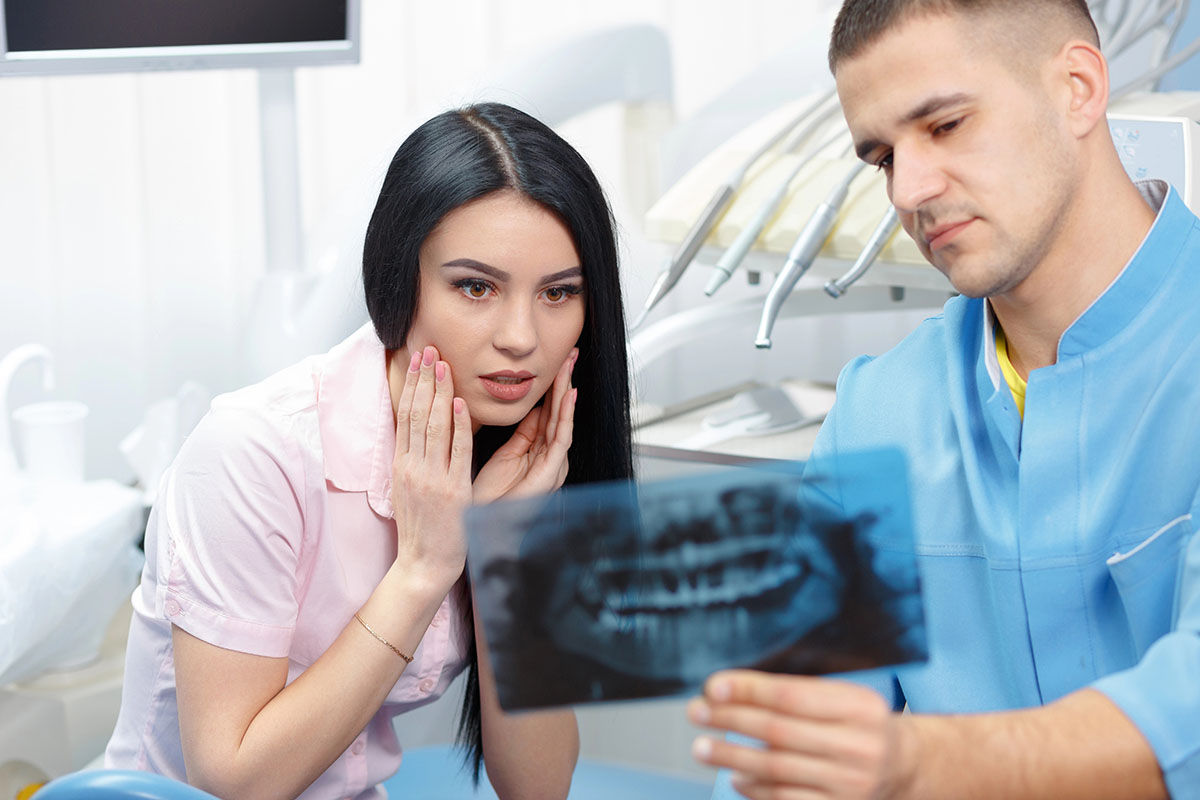
- Ages 16 – 18 (Monitoring & Early Evaluation): Crown formation completes as roots begin to form. Panoramic X-rays reveal growth trajectory and available jaw space.
- Ages 18 – 22 (Ideal Window for Removal): Root structures are two-thirds formed, reducing nerve risk. Lower bone density facilitates smoother extraction and rapid healing during scheduled academic breaks.
- Ages 23+ (Mature Root Development): Roots fully form and anchor into denser bone. Recovery time slightly lengthens, making early checks key.
Identifying Common Wisdom Teeth Symptoms
While diagnostic X-rays are the most reliable method for spotting underlying issues early, students often notice physical warning signs that signal it is time for an evaluation. Recognizing these early signs helps prevent minor discomfort from turning into an urgent dental situation during midterms or finals week.
- Persistent Jaw Discomfort: Dull aches or soreness near the back of the jaw, particularly when chewing or opening the mouth wide.
- Gum Swelling and Tenderness: Red, inflamed, or tender gum tissue situated directly behind the second molars.
- Pressure and Crowding: A sensation of pressure shifting neighboring teeth forward, which can disrupt orthodontic alignments.
- Chronic Bad Breath or Unpleasant Taste: Persistent bad breath caused by food particles and bacteria trapped beneath overlapping gum tissue (pericoronitis).
- Headaches and Sinus Pressure: Upper wisdom teeth pushing against sinus cavities, causing localized head and facial pressure.
Strategic Scheduling: Planning Around the Texas State Academic Calendar
Avoiding lost study time or missed classes remains a priority for college students and parents. Surgical recovery for wisdom teeth extractions usually takes three to five days for primary healing, with full tissue recovery taking a couple of weeks. By mapping the treatment plan around the university calendar, students recover comfortably without compromising their grades.
Summer Break Advantage
The extended break between May and August provides an ideal window for treatment. Students undergo the procedure, rest comfortably, and complete all follow-up visits well before fall semester classes, housing move-ins, or campus events begin.
Thanksgiving and Winter Breaks
Winter break, spanning mid-December to mid-January, offers several uninterrupted weeks for recovery. Thanksgiving break also works well for less complex extractions, giving students a long weekend to rest at home before final exams begin.
Spring Break Planning
Spring break offers a solid one-week window for procedure and recovery. Scheduling the appointment on Friday or Saturday at the start of break allows the heaviest healing days to pass before classes resume the following Monday.
Long Weekends and Strategic Fridays
For simple extractions or routine monitoring, scheduling visits on a Thursday afternoon or Friday morning allows students to use the weekend for downtime while returning to lectures by Monday morning.
Navigating the Process: Student and Parent Responsibilities
Coordinating dental care during college requires teamwork between students, parents, and the dental provider. Clear communication maintains financial clarity, scheduling accuracy, and attentive post-operative care.
The Student’s Role
Students should review their academic syllabi early in the semester to identify exam dates, group presentation schedules, and major assignment deadlines.
- Review syllabi for exam dates and deadlines.
- Schedule consultation visits.
- Arrange a ride home post-procedure.
- Stock soft foods in dorms or apartments.
- Follow pre-operative and post-extraction instructions, such as resting and avoiding straws to prevent dry socket.
The Parent’s Role
Parents assist with logistical details, insurance coverage verifications, and financial planning.
- Verify insurance details and pre-authorizations.
- Provide financial authorizations for copayments.
- Assist with post-operative care planning.
- Supply recovery items like soft foods, ice packs, and over-the-counter pain relievers.
Local Care in San Marcos: The Practical Choice
Choosing a local dental practice in San Marcos provides convenience for Texas State students. Traveling long distances back to a hometown dentist for consultations, surgical procedures, and follow-up checks adds unnecessary stress to a busy college schedule.
Working with a local family dental practice ensures routine evaluations fit into a student’s daily routine. Should unexpected questions or minor recovery concerns arise post-treatment, having a doctor right down the road on Stagecoach Trail gives both students and parents complete peace of mind.
FAQs
Do all wisdom teeth need to be extracted?
Not necessarily. Wisdom teeth that are fully erupted, properly aligned, easy to clean, and healthy may not require removal. However, regular professional monitoring and X-rays are necessary to check that they remain issue-free over time.
How long does recovery typically take after wisdom teeth removal?
Initial healing takes three to five days, during which swelling and mild discomfort peak and then subside. Most students return to normal academic routines within three to four days, provided they follow all post-operative care guidelines.
What is a dry socket, and how can it be avoided?
A dry socket occurs when the protective blood clot forming in the extraction site becomes dislodged prematurely, exposing underlying nerves and bone. Avoid it by refraining from using straws, smoking, spitting forcefully, or consuming carbonated beverages for at least one week following surgery.
Can a student manage recovery independently in a dorm or apartment?
Yes, college students manage recovery independently with proper preparation. Preparing ahead of time by stocking up on soft foods, cold packs, and prescribed medications, along with arranging a ride back from the clinic, makes recovering in a dorm or student apartment simple.
How far in advance should an evaluation consultation be scheduled?
Scheduling an initial evaluation four to six weeks prior to a desired academic break, such as summer or winter recess, works best. Early planning allows ample time for diagnostic X-rays, treatment planning, insurance pre-authorizations, and securing a preferred procedure date.
Healthy Smiles for Texas State Scholars
Timing wisdom teeth evaluation and removal strategically keeps a college career on track. By recognizing symptoms early, utilizing university academic breaks, and relying on local dental care in San Marcos, Texas State students safeguard their oral health while focusing on their studies.
Dr. Larry D. Molenda, D.D.S., and his team provide personalized family dental care to the San Marcos community. Located on Stagecoach Trail, the office offers evaluations and treatment in a welcoming environment tailored to busy families and students. Reach out to our office today at 512-392-5845 to schedule a wisdom teeth evaluation and plan your treatment.