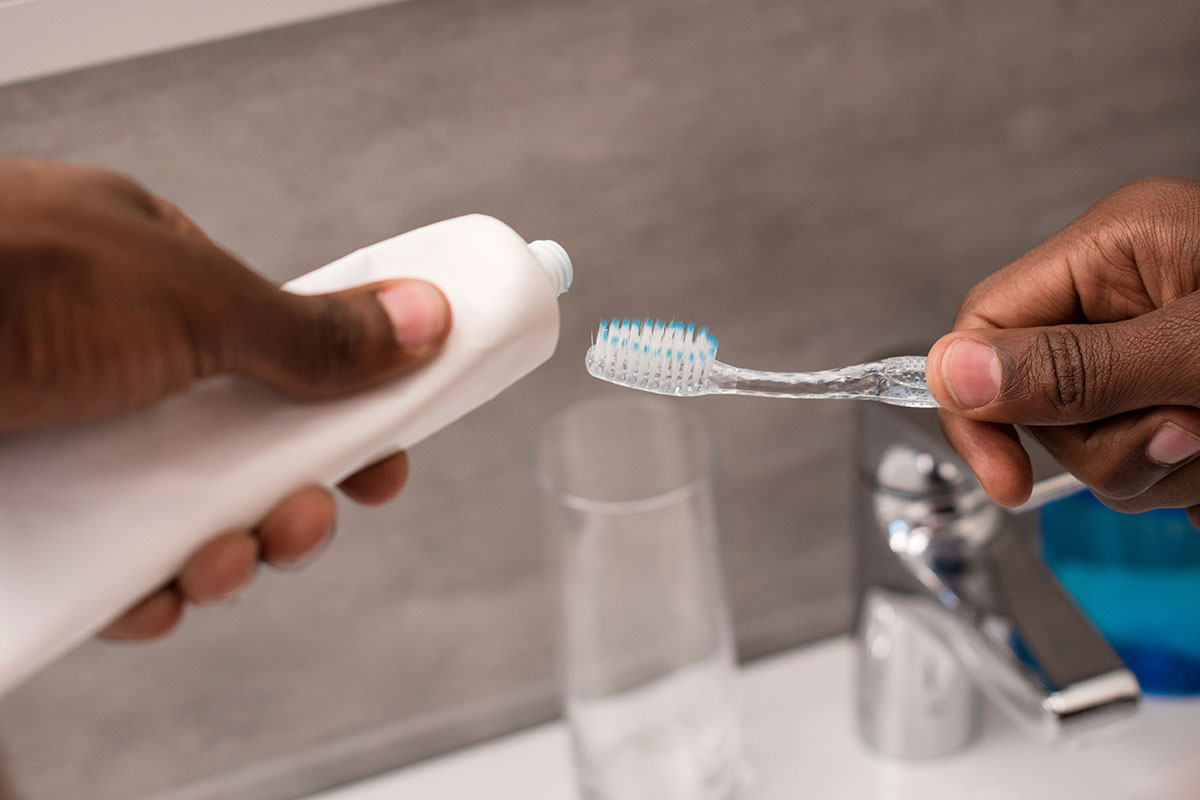
Seeing pink in the sink can be unsettling. Many people notice bleeding when they brush or floss and assume they are brushing too hard, or they simply ignore it and hope it goes away. Occasional light bleeding after starting a new flossing routine can be normal, but ongoing or frequent bleeding is not.
Bleeding gums are almost always a distress signal from your body. It’s a sign that something within your oral health routine or your overall physical health needs adjustment. While the cause is often reversible with better hygiene, it can also be the first indicator of periodontal disease. Understanding the possible causes helps you know what to change at home and when to schedule a dental exam.
Common Causes of Bleeding Gums
1. Plaque Buildup and Gingivitis
The most common cause of bleeding gums is gingivitis, the earliest stage of gum disease.
Plaque is a soft, sticky film of bacteria that constantly forms on your teeth. If it’s not removed thoroughly every day, it irritates the gum tissue along the gumline. Over time, this irritation causes inflammation, redness, and swelling. Inflamed gums bleed more easily, even with light brushing.
Signs of gingivitis include:
- Red or swollen gums
- Bleeding when brushing or flossing
- Bad breath that does not improve with brushing
- Tenderness along the gumline
The good news is that gingivitis is reversible with proper home care and professional cleanings.
2. Brushing Too Hard or Using the Wrong Toothbrush
Technique matters. Brushing harder does not mean you are cleaning better.
Using a hard bristle toothbrush or scrubbing with excessive force can damage gum tissue and cause bleeding. Over time, this can also cause gum recession and sensitivity.
If your brush bristles bend outward quickly, that is often a sign you are brushing too aggressively.
3. Changes in Flossing or Oral Hygiene Habits
If you just started flossing, or you are flossing more consistently after a long break, it’s common for gums to bleed during the first several days. This usually improves as the gums become healthier.
On the other hand, if you have stopped flossing regularly, plaque and bacteria accumulate between the teeth, leading to irritation and bleeding once you start again.
4. Tartar Buildup and Periodontal Disease
When plaque is not removed, it hardens into tartar, also called calculus. Tartar cannot be removed with a toothbrush at home. It traps more bacteria against the gums and can lead to more advanced gum disease, called periodontitis.
With periodontitis, gums pull away from the teeth, pockets form, and bone can be lost. Bleeding is often more frequent and may occur even without brushing.
At this stage, professional treatment is essential to prevent further damage and potential tooth loss.
5. Hormonal Changes
Hormonal shifts can make gums more sensitive and prone to bleeding, even if brushing and flossing habits have not changed. This is common during:
- Pregnancy
- Puberty
- Menstruation
- Menopause
Pregnancy gingivitis is especially common and should be monitored, since good oral health is important for both the mother and baby.
6. Medications and Health Conditions
Certain medications and medical conditions can contribute to bleeding gums, including:
- Blood thinners
- Some blood pressure medications
- Conditions that affect blood clotting
- Uncontrolled diabetes
- Vitamin C or Vitamin K deficiencies
If you have started a new medication and notice increased bleeding, it’s worth mentioning to both your physician and dentist.
7. Smoking and Tobacco Use
Smoking does not just affect your lungs. It also weakens your immune response and makes it harder for gum tissue to heal. Smokers are more likely to develop gum disease, and bleeding may be more frequent or masked until disease is advanced.
Practical Solutions To Stop Bleeding Gums
Bleeding gums are often a sign to adjust your routine and seek professional guidance. Here are steps that help in most situations.
Improve Your Brushing Technique
- Use a soft bristle toothbrush
- Angle the bristles at 45 degrees toward the gumline
- Use small, gentle circular motions instead of scrubbing back and forth
- Brush for two minutes, twice a day
- Electric toothbrushes with pressure sensors can also help prevent brushing too hard.
Floss Daily, The Right Way
- Flossing once a day removes plaque where your toothbrush cannot reach.
- Gently slide the floss between teeth
- Curve it into a C shape against the side of each tooth
- Move it up and down along the tooth, under the gumline
- Avoid snapping the floss into the gums
- If traditional floss is difficult, consider floss picks or water flossers.
Use Antimicrobial or Fluoride Mouthwash
Rinsing with a dentist recommended mouthwash can help reduce bacteria and inflammation. Avoid alcohol heavy rinses if your gums are very sensitive and always follow label instructions.
Schedule a Professional Dental Cleaning
Regular cleanings remove tartar that cannot be brushed away at home. Your Larry Molenda DDS checks for signs of gingivitis or more advanced gum disease and can show you areas you might be missing with your routine.
For many patients, a professional cleaning combined with improved home care significantly reduces bleeding within several weeks.
When To See A Dentist Promptly
Bleeding gums should not be ignored if you notice any of the following:
- Bleeding that happens daily or with very light brushing
- Gums that are very red, swollen, or painful
- Persistent bad breath or bad taste in your mouth
- Gums pulling away from the teeth
- Loose teeth or changes in the way your teeth fit together
These signs suggest more significant gum disease that requires professional evaluation and treatment. Early intervention is far more effective and less invasive than waiting until problems are advanced.
FAQs
Is it ever normal for gums to bleed when brushing?
Light bleeding for a few days when you start flossing or improve your brushing routine can be expected as inflamed gums begin to heal. However, bleeding that continues longer than a week or two, or bleeding that starts without any change in your routine, is not considered normal. It usually indicates gum inflammation that needs attention.
Should I stop brushing if my gums bleed?
No. Stopping brushing or flossing will allow more plaque to build up and usually makes the problem worse. Instead, focus on gentle but thorough brushing with a soft bristle brush and consistent flossing. If bleeding continues after improving your technique, schedule a dental exam.
Can bleeding gums go away on their own?
Mild gingivitis can improve with better oral hygiene and regular professional cleanings. However, if bleeding is caused by tartar buildup, gum disease, or medical conditions, it is unlikely to resolve completely without professional care. Relying on it to go away on its own can allow problems to progress.
Are bleeding gums a sign of serious gum disease?
Not always, but they can be. Bleeding is one of the earliest signs of gum disease and is most often associated with gingivitis. If caught early, gum disease is much easier to treat. If ignored, it can progress to periodontitis, which affects the bone and supporting structures of the teeth. This is why it is important not to ignore the symptom, even if it seems minor.
What can my dentist do for bleeding gums?
Your dentist and hygienist can:
- Perform a comprehensive exam and gum health evaluation
- Remove plaque and tartar above and below the gumline
- Recommend specific home care products and techniques
- Provide deeper cleanings (scaling and root planing) if needed
- Monitor your gums over time and adjust treatment as necessary
In some cases, they may coordinate with your physician if medications or systemic health issues are contributing.
Taking Bleeding Gums Seriously Protects Your Smile
Ignoring bleeding gums will not make the problem go away; in fact, it usually allows the underlying condition to worsen. The transition from simple gingivitis to more severe periodontal disease can happen quietly, often without pain, until significant damage has been done.
The most effective solution is a combination of diligent home care and professional intervention. A professional cleaning at Larry Molenda can remove the calcified tartar that your toothbrush cannot budge, giving your gums a clean slate to heal. If you are noticing pink in the sink, do not wait for it to hurt. Schedule an exam to identify the root cause and get your oral health back on track.